
Superior Corrosion Protection with Hot-Dip Galvanizing
Extend the life of your steel structures for decades with Dexter Steel’s hot-dip galvanizing service
Fabrication Services
-
Bending
-
Pipe Beveling
-
Bolted Connection
-
Cambering
-
Cutting
-
Drilling
-
Galvanization
-
Punching
-
Riveting
-
Slitting
-
Slotting
-
Tapping
-
Welding
Pro Galvanizing Service
Dexter provide a complete, in-house solution that bonds a metallurgical zinc layer to steel, creating a tough, long-lasting barrier against rust and corrosion. This process is the most effective and cost-efficient way to protect outdoor structures.
Our galvanizing follows a rigorous multi-step process: degreasing, pickling, fluxing, and immersion in a molten zinc bat, providing maintenance-free protection for 50+ years in many atmospheric conditions
Certified Galvanizing for Global Projects
We ensure our galvanizing meets the precise requirements of your market. ASTM A123/A123M, AS/NZS 4680, EN ISO 1461.
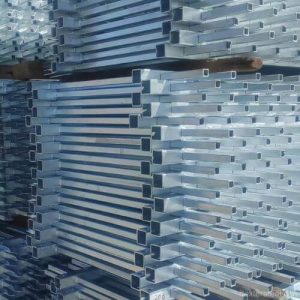
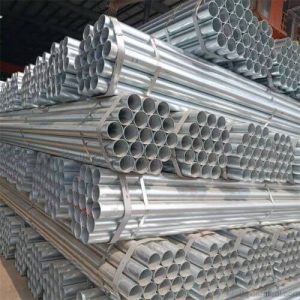
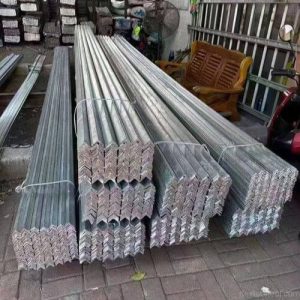
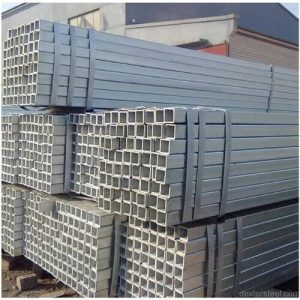
Project Portfolio
Related Industry Terms
Particles of zinc-iron alloy that can, in low-quality galvanizing, adhere to the finished product. Proper kettle maintenance and techniques at Dexter Steel minimize this.
The total thickness of the galvanized coating, measured in microns (µm). It is a key performance metric, with thicker coatings providing longer service life.
The metallurgical bond formed between the zinc and the steel during galvanizing. These layers are harder than the base steel and provide the primary corrosion protection.
Particles of zinc-iron alloy that can, in low-quality galvanizing, adhere to the finished product. Proper kettle maintenance and techniques at Dexter Steel minimize this.
The total thickness of the galvanized coating, measured in microns (µm). It is a key performance metric, with thicker coatings providing longer service life.
The metallurgical bond formed between the zinc and the steel during galvanizing. These layers are harder than the base steel and provide the primary corrosion protection.
Frequently Asked Questions
What is the expected lifespan of a galvanized coating?
In a typical urban atmosphere, a standard 85-micron coating can protect steel for 50 to 100 years before requiring maintenance. The lifespan depends on local environmental factors.
Why does the appearance of galvanized steel sometimes vary?
Appearance (e.g., shiny vs. dull gray) is influenced by the steel’s chemical composition, specifically silicon and phosphorus content, which affects the growth of the zinc-iron crystals.
Can galvanized steel be welded or painted?
Yes, but it requires specific techniques. Welding must be done in a well-ventilated area, and painting requires specialized surface-tolerant primers designed for galvanized steel.
What is the difference between galvanizing and other zinc coatings?
Hot-dip galvanizing creates a thick, metallurgically bonded coating offering superior cathodic protection and abrasion resistance compared to electroplated or zinc-rich paint coatings.
In a typical urban atmosphere, a standard 85-micron coating can protect steel for 50 to 100 years before requiring maintenance. The lifespan depends on local environmental factors.
Appearance (e.g., shiny vs. dull gray) is influenced by the steel’s chemical composition, specifically silicon and phosphorus content, which affects the growth of the zinc-iron crystals.
Yes, but it requires specific techniques. Welding must be done in a well-ventilated area, and painting requires specialized surface-tolerant primers designed for galvanized steel.
Hot-dip galvanizing creates a thick, metallurgically bonded coating offering superior cathodic protection and abrasion resistance compared to electroplated or zinc-rich paint coatings.